GL.iNet Beryl 7 Travel Router
A newer, pricier Wi-Fi 7 travel router than GL.iNet's own Beryl AX — worth it mainly if dual 2.5G ports and the newer Wi-Fi standard actually solve a bottleneck you have.
Quick verdict
- Best for:
- Travelers who want dual 2.5G ports and newer Wi-Fi hardware.
- Watch out:
- Won't fix a slow hotel/venue uplink — only your local network.
Amazon US listing and availability checked October 28, 2026. Prices and stock can change.
Reviewed October 5, 2026 · How we review
Part of our buying guide: Do You Need a Wi-Fi 7 Router? What to Check Before You Upgrade
Our Take
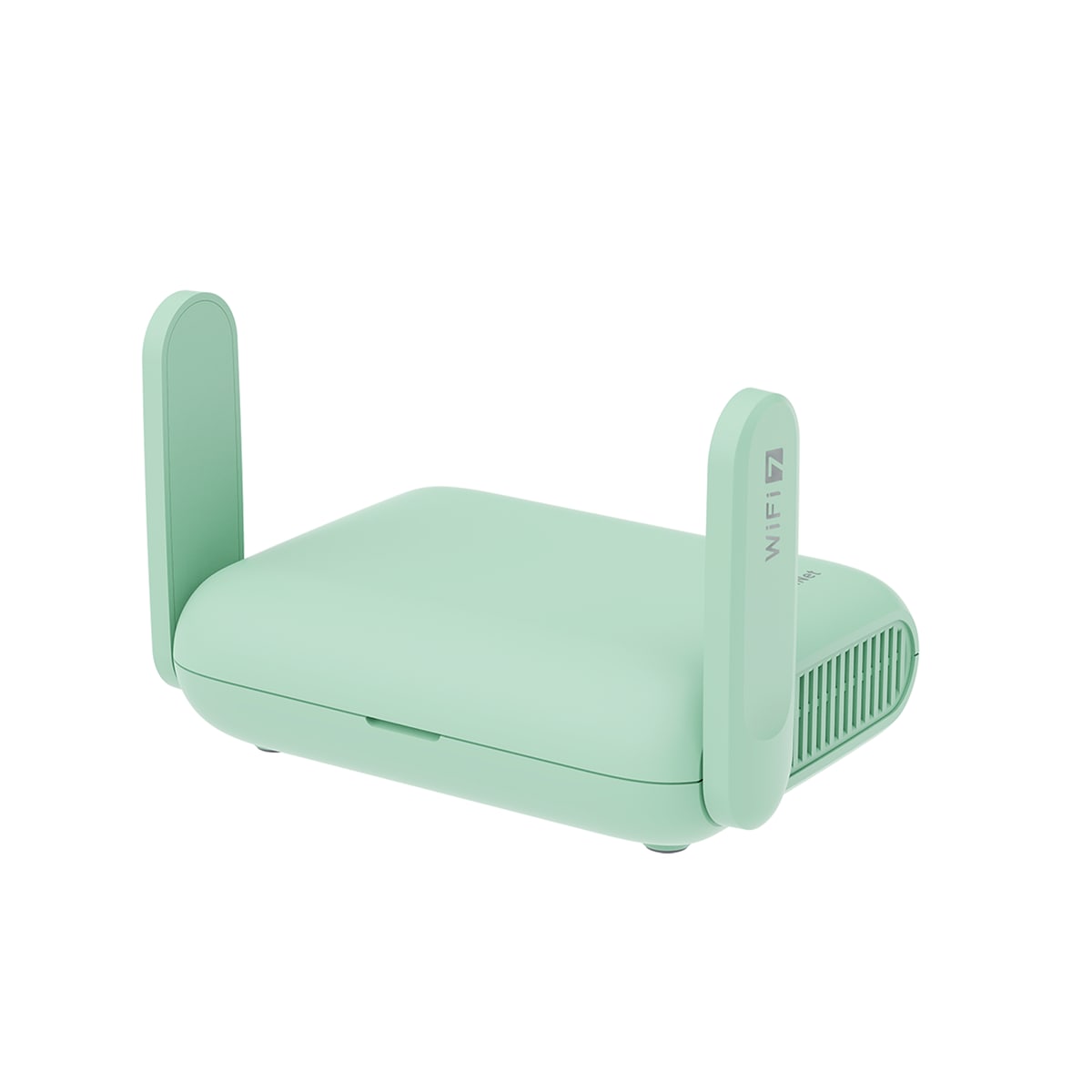
GL.iNet's own datasheet lists the Beryl 7 as dual-band Wi-Fi 7 (roughly 688Mbps on 2.4GHz plus 2882Mbps on 5GHz, per the manufacturer's figures — this is dual-band, not a 6GHz tri-band router, despite the Wi-Fi 7 label), with dual 2.5G Ethernet ports, USB 3.0, and GL.iNet's own OpenWrt-based firmware with pre-installed VPN clients. The practical question for a travel router is rarely the headline Wi-Fi generation — it's whether your actual bottleneck is the hotel/venue's own internet uplink (which a faster router can't fix) or your local network's own ports and routing needs (which this router's dual 2.5G ports and newer hardware genuinely help with). Advertised VPN speed maximums are the manufacturer's own stated ceiling, not a guaranteed real-world hotel-network result, which depends heavily on the uplink you're actually connecting to.
Best For
- Travelers who want dual 2.5G Ethernet ports and willingness to configure routing/VPN settings themselves
- Buyers already comfortable with GL.iNet's OpenWrt-based firmware from a prior model
- Situations where your own local network hardware, not the venue's uplink, is the actual bottleneck
Skip If
- You want a plug-and-forget router with no configuration — this still expects some comfort with network settings
- Your typical travel connection (e.g. a slow hotel Wi-Fi uplink) is the real bottleneck — a faster router doesn't fix an upstream connection's own speed limit
- You don't need 6GHz, dual 2.5G ports, or the newer Wi-Fi 7 hardware over GL.iNet's cheaper Beryl AX — compare that model directly first
What We Like
- Dual 2.5G Ethernet ports are a genuine, checkable hardware upgrade over single-gigabit travel routers
- GL.iNet's own OpenWrt-based firmware with pre-installed VPN clients is a real, established feature for this product category
- USB 3.0 port adds real local file-sharing/storage options many basic travel routers lack
What To Know
- This is dual-band Wi-Fi 7 (2.4GHz + 5GHz), not a tri-band router with a separate 6GHz radio — don't assume "Wi-Fi 7" alone means 6GHz support
- Advertised maximum VPN throughput (WireGuard/OpenVPN figures) is the manufacturer's own stated ceiling under its own test conditions, not a promised speed on any specific hotel or venue network
- A travel router cannot make a slow upstream internet connection fast — if the venue's own uplink is the bottleneck, no router hardware fixes that
Pros
- Dual 2.5G Ethernet ports, a real upgrade over single-gigabit travel routers
- Newer Wi-Fi 7 hardware and GL.iNet's established OpenWrt-based firmware
- USB 3.0 for local storage/file sharing
Cons
- Meaningfully pricier than GL.iNet's own Beryl AX for buyers who don't need the newer hardware
- Still expects some comfort with router configuration, not a zero-setup plug-and-play device
- Can't improve a slow venue/hotel uplink — only your own local network segment
Alternatives
- GL.iNet Beryl AX (GL-MT3000) — A lower-cost Wi-Fi 6 alternative from the same maker — compare directly if you don't specifically need 2.5G dual-port Ethernet or Wi-Fi 7.
- GL.iNet Slate 7 — A different form factor in GL.iNet's own newer lineup, worth comparing if a touchscreen or different port layout matters to you.View on Amazon
Why PriceDropIQ Selected It
Travel-router shoppers usually ask the wrong question ("which Wi-Fi generation") instead of the right one ("is my bottleneck the router or the venue's uplink") — answering that plainly is more useful than repeating the spec sheet.
Before You Buy
- Identify whether your actual bottleneck is your local network hardware or the venue's own internet uplink — only the former improves with a new router
- Compare directly against GL.iNet's cheaper Beryl AX before paying extra for Wi-Fi 7/dual 2.5G ports you may not need
- Check your VPN provider's current compatibility with this router's firmware before assuming a specific throughput figure
Frequently Asked Questions
Is this router faster than Beryl AX on every hotel Wi-Fi?
Not necessarily. This router's own hardware is faster, but a hotel or venue's internet connection has its own speed ceiling that no router hardware can exceed. If the uplink itself is slow, a faster router won't produce a faster result.
Does Wi-Fi 7 mean I get a 6GHz band?
Not with this specific model — it's a dual-band (2.4GHz + 5GHz) Wi-Fi 7 router per GL.iNet's own datasheet, not a tri-band router with a separate 6GHz radio. Confirm band support directly if 6GHz specifically matters to you.
Related Buying Guide
More in Electronics
All Electronics reviews and guides
Interested in this product?
Reviewed October 5, 2026. Check the current offer, seller, availability, and shipping details on Amazon.
Independent buying advice, in your inbox.
New reviews and practical buying guides from PriceDropIQ.