Buying guide · Fashion
Winter boots
Choosing a Winter Boot: Waterproofing, Insulation, Sizing and Care
Waterproof and warm are two different features. How to tell what a boot actually offers, why sizing varies by brand, how to care for nubuck, and when you need a safety toe instead.
Updated October 25, 2026
Short answer
For cold, wet winters, look for both a waterproof, seam-sealed upper and listed insulation. A waterproof boot without insulation keeps you dry but not warm. Check the brand's own fit note before ordering: Timberland says its Premium 6-Inch runs large and recommends half a size down. Light nubuck needs brushing and a spray protector, not wax. If your job requires protective footwear, a fashion boot isn't a substitute: look for a safety-toe boot that meets ASTM F2413.
At a glance
The products this guide covers, each with its own review.
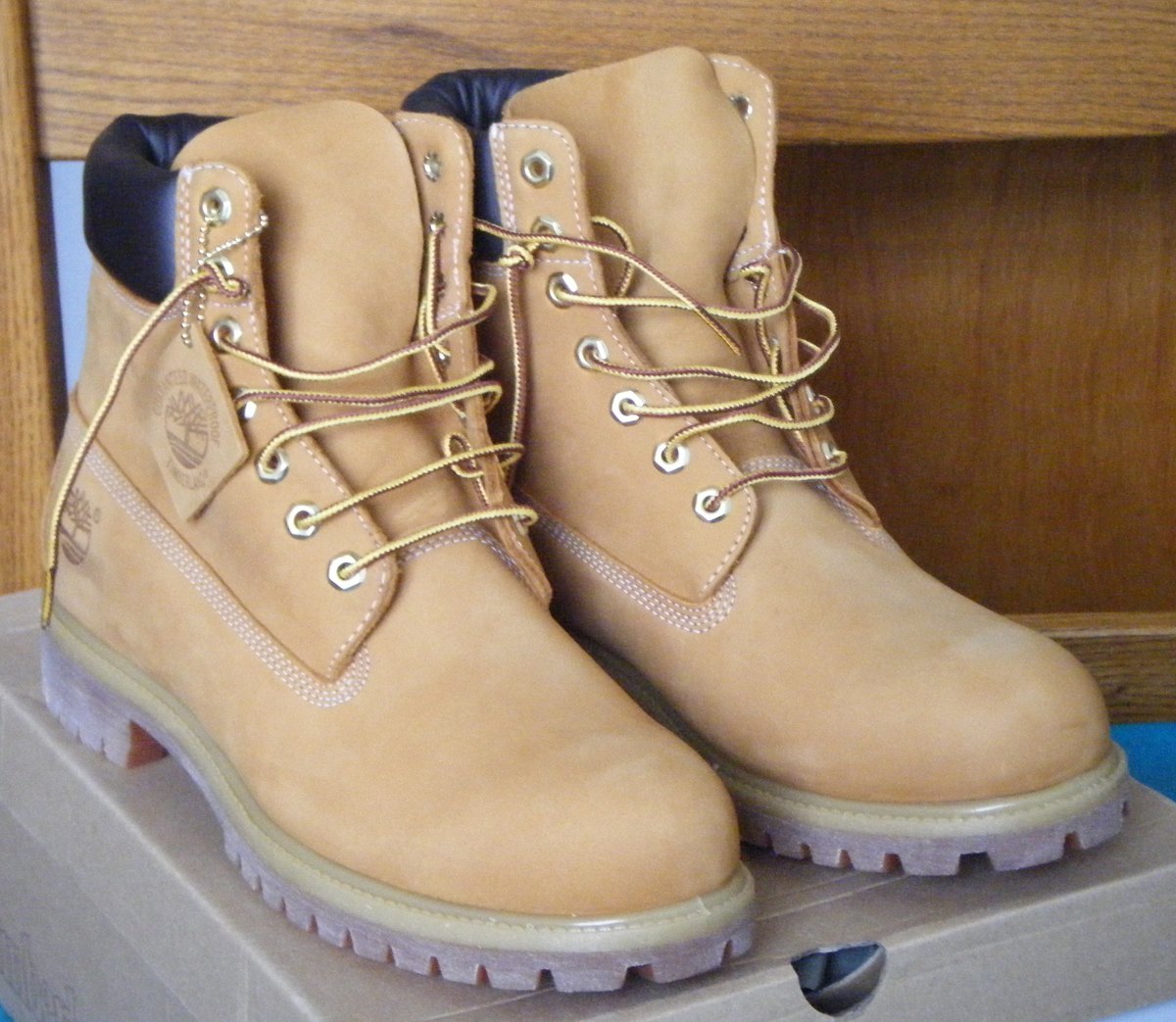
- Timberland Men's Premium 6-Inch Waterproof Boot (Wheat)
Best for: Cold, wet weather with the classic wheat look.
Watch out: Runs large; too warm for mild days.
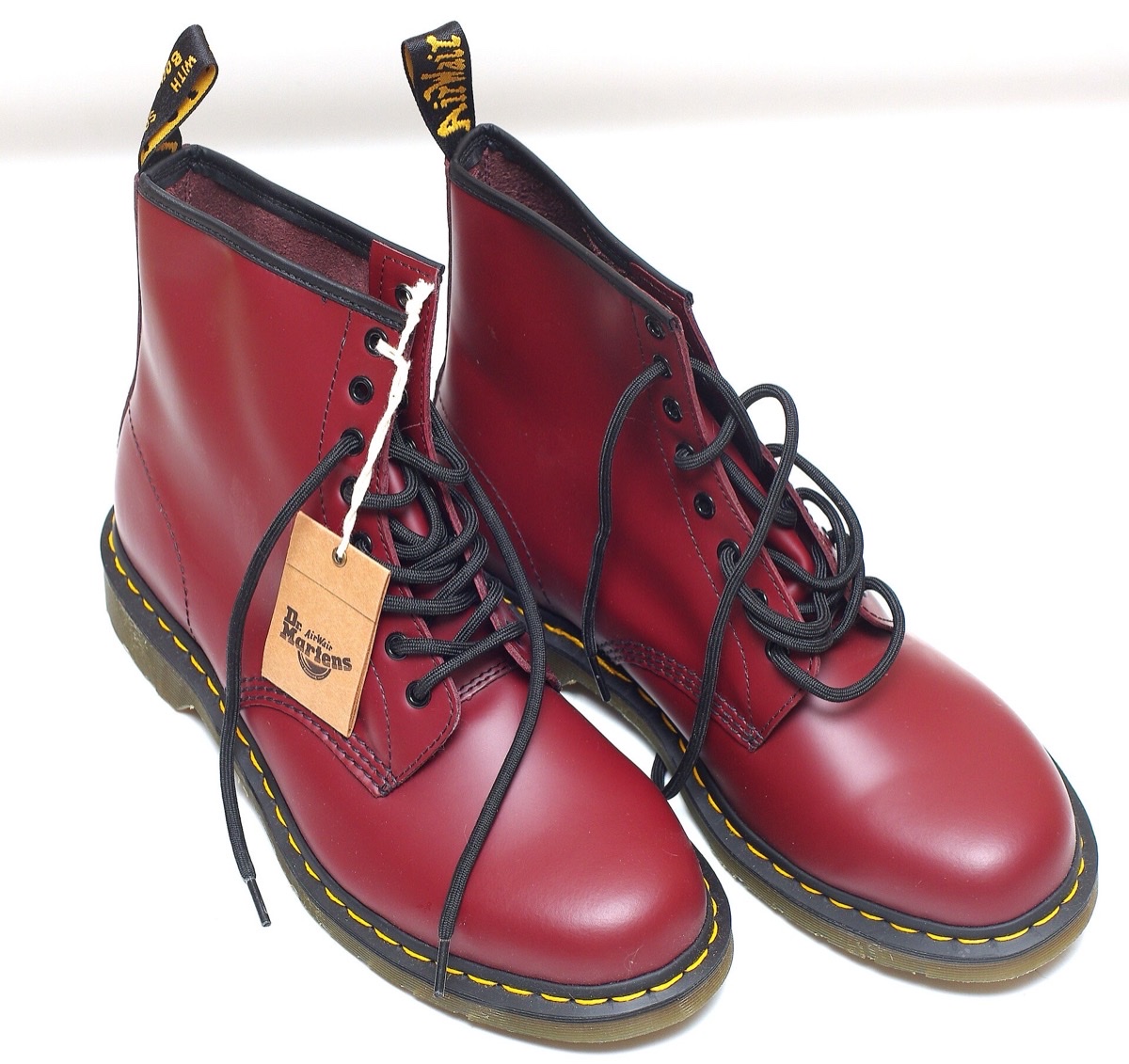
- Dr. Martens 1460 Smooth Leather Boot (Cherry Red)
Best for: The classic 8-eye look in Cherry Red.
Watch out: Stiff at first; plan on a break-in.
Waterproof and warm are separate features
A waterproof boot keeps water out; insulation keeps heat in. Many boots have one without the other, so check the listing for both. Timberland, for example, lists the Premium 6-Inch with a waterproof, seam-sealed construction and 400 grams of PrimaLoft insulation. A tall rubber rain boot, by contrast, keeps more of your leg dry in puddles and mud but isn't listed as an insulated winter boot.
Brands list insulation in grams, but they don't share a standard temperature rating, and Timberland gives none for this boot. Treat the gram figure as a comparison within one brand rather than a promise of warmth at a given temperature. Socks, activity level and how long you stand still matter as much.
| Insulated waterproof boot (e.g. Timberland Premium 6-Inch) | Tall rubber rain boot (e.g. Hunter Original Tall) | |
|---|---|---|
| Keeps you dry | Yes, up to the top of a 6-inch shaft | Yes, to a much higher shaft |
| Keeps you warm | Yes, 400 g insulation listed | Not listed as insulated |
| Good for | Cold commutes, slush, snowy sidewalks | Rain, mud, puddles in mild weather |
| Watch out | Too warm for mild days | Cold in winter without warm socks |
Are Dr. Martens 1460 boots good for winter?
For cold, dry city days with warm socks, many people wear them, but they aren't a winter boot. Dr. Martens lists the Smooth leather 1460 with a 100% leather upper, a part-leather, part-textile lining and a PVC sole, and no insulation. It also isn't sold as a waterproof boot. For snow and slush, an insulated, waterproof boot such as the Timberland Premium 6-Inch is the better fit.
If you choose the 1460 anyway, plan for its break-in period: Dr. Martens advises wearing Smooth leather boots little and often at first, with thick socks, and caring for the leather with a wax-based polish.
Read our Dr. Martens 1460 reviewRead our Timberland Premium 6-Inch reviewCan you wear Hunter rain boots in the snow?
They'll keep snow and slush out, but don't expect them to keep you warm. Hunter presents its Original boot as waterproof rain footwear ("defined waterproof footwear since 1956") made from natural rubber, and it doesn't list insulation or a temperature rating for it. Hunter sells insulated and snow boots as a separate category.
So for a wet, mild winter, an Original Tall with warm socks can work. For snowy sidewalks and cold commutes, look for a boot whose listing says both waterproof and insulated, like the Timberland Premium 6-Inch with 400 g of PrimaLoft, or one of Hunter's insulated models, and check the listing names the insulated version, not the rain boot.
Read our Timberland Premium 6-Inch reviewSizing: read the brand's fit note first
Boot sizing isn't consistent between brands, and thick winter socks change the fit too. Timberland's product page says the Premium 6-Inch runs large and recommends going down half a size, or a full size if you wear 12 or larger, for a fit like your everyday shoe. If you plan on very thick socks, that advice may leave less room, so weigh it against how you'll wear the boot.
Buy where returns are simple, try the boots on in the evening when feet are largest, and walk on a hard floor before wearing them outside.
Care: nubuck needs brushing, not wax
Light wheat nubuck shows dirt and scuffs. Timberland's care guidance is to let mud dry completely and then brush it off before using any water or cleaner. For scuffs that remain, it suggests an eraser bar, which it says suits nubuck, leather and suede. For nubuck, suede and leather it points to its foaming cleaner and a spray-on water and stain repellent.
Timberland's guidance is to let boots dry fully in a well-ventilated area. Its Balm Proofer is sold as a water and stain repellent; it treats the nubuck surface, while the boot's waterproofing comes from its seam-sealed construction.
When you need a work boot instead
A rugged-looking boot is not protective footwear. In the US, OSHA requires protective footwear where there's a danger of foot injuries from falling or rolling objects, objects piercing the sole, or electrical hazards, and that footwear must meet a recognized standard such as ASTM F2413. The Timberland Premium 6-Inch has no safety toe; Timberland's PRO line is where the brand sells work-site boots.
Who benefits, who should skip, and when what you have is enough
- Worth buying: you walk or commute in cold, wet weather and your current boots either leak or leave your feet cold.
- Skip an insulated boot if your winters are mild or you mostly need rain protection. A non-insulated waterproof boot or a rubber rain boot will be more comfortable.
- Skip a fashion boot if your job requires safety footwear. Buy a boot rated to ASTM F2413 instead.
- What you have may be enough: if your boots are dry and only feel cold, warmer socks may solve the problem for much less money.
Related PriceDropIQ reviews
- Timberland Men's Premium 6-Inch Waterproof Boot (Wheat)
- Dr. Martens 1460 Smooth Leather Boot (Cherry Red)
Independent buying advice, in your inbox.
New reviews and practical buying guides from PriceDropIQ.
Sources and how we checked
Timberland's construction, insulation and fit details come from its US product page, and its care steps from its US "How to Clean Timberland Boots" page (both read October 10, 2026). The rain-boot row reflects the Hunter Original Tall listing we link from our review; the Hunter snow section uses Hunter's Original Rain Boots page (read October 20, 2026). The protective-footwear rule is quoted from OSHA's standard 1910.136. Comparisons and advice are PriceDropIQ's editorial judgment. We have not wear-tested these boots.
- Manufacturer: Timberland — Men's Premium 6-Inch Waterproof Boot (Wheat, TB110061713)
- Manufacturer: Timberland — How to Clean Timberland Boots
- Manufacturer: Hunter — The Original Rain Boots
- Third-party reference: OSHA — 29 CFR 1910.136, Foot protection
- PriceDropIQ review: PriceDropIQ — Timberland Premium 6-Inch Waterproof Boot review